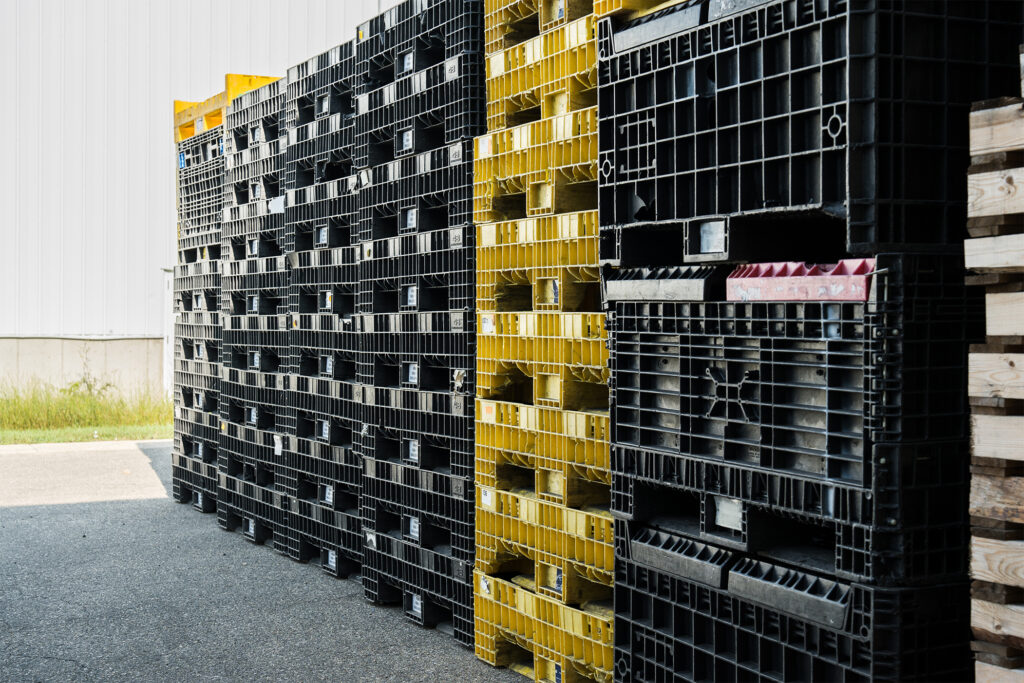
Why more companies are choosing plastic bulk containers for clean storage
Understanding Leasing Setups for Mass Plastic Containers: What You Need to Know
Leasing bulk plastic containers can be a tactical selection for services aiming to take care of expenses and effectiveness. Steering with the intricacies of leasing agreements needs careful consideration. Trick variables such as lease period, settlement structures, and maintenance obligations should be completely evaluated. In addition, potential hidden costs and the owner's track record play essential functions in creating reputable collaborations. Recognizing these aspects is necessary for making informed choices in an ever-evolving market landscape. What aspects should one prioritize to ensure a successful leasing setup?
The Benefits of Leasing Bulk Plastic Containers
Leasing mass plastic containers offers a practical option for companies looking for performance and cost-effectiveness. This method permits companies to access high-grade containers without the substantial upfront investment normally connected with getting. By renting, businesses can designate financial sources much more efficiently, focusing on core operations instead of heavy resources expenditures. In addition, leasing setups usually include maintenance and assistance services, making sure that containers remain in peak condition and minimizing the burden on interior resources.
Additionally, renting offers adaptability, making it possible for companies to adjust their container supply according to varying need (bulk plastic containers for sale). This adaptability can result in improved inventory administration and decreased waste. Leasing can help with accessibility to the latest container modern technologies, assisting companies remain competitive in a swiftly transforming market. Inevitably, the benefits of leasing mass plastic containers can enhance operational performance, boost capital, and assistance lasting methods, making it an eye-catching alternative for numerous markets
Trick Considerations When Selecting a Leasing Agreement
What elements should organizations take into consideration when selecting a leasing arrangement for mass plastic containers? First, business should review their specific demands, consisting of the kind and quantity of containers required, to make particular the agreement straightens with functional demands. Next, the lease period is important; companies should identify if a temporary or long-lasting lease finest suits their stock turn over and usage patterns.
Cost is one more considerable factor to consider; businesses should analyze the complete cost of leasing, including any type of covert costs or costs. Additionally, they ought to assess the supplier's credibility and integrity, as a reliable companion can impact the general leasing experience.

Adaptability additionally plays a crucial function; services may profit from agreements that permit adjustments in container amounts based on transforming needs. Lastly, assessing maintenance and assistance options offered by the renting company is necessary to guarantee functional connection and reduce disturbances.
Understanding Leasing Conditions
An extensive understanding of leasing problems and terms is crucial for businesses to browse the complexities of leasing mass plastic containers properly. Leasing contracts generally consist of crucial elements such as lease duration, repayment structures, upkeep duties, and termination clauses. Businesses ought to carefully review the lease duration to assure it aligns with their functional demands, whether long-term or short-term. Payment frameworks may differ, including quarterly or regular monthly payments, and understanding these can significantly impact capital. Upkeep duties need to be clearly defined, as they determine that is liable for repair services and maintenance throughout the lease duration. Additionally, termination provisions can stipulate look at here problems under which the lease can be ended too soon, which is necessary for companies expecting potential adjustments sought after. By extensively examining these terms, services can make enlightened choices that straighten with their tactical purposes and operational demands.

Typical Mistakes to Stay Clear Of in Leasing Arrangements
While handling leasing plans for bulk plastic containers, organizations commonly run into typical mistakes that can lead to pricey errors - plastic bulk containers. One significant concern is falling short to extensively understand the lease terms, which can result in unanticipated costs or obligations. Furthermore, forgeting the significance of proper container upkeep might lead to pricey repair work or charges for problems. Another frequent blunder is not examining the complete price of the lease, including surprise charges such as insurance coverage or transport
Organizations might also overlook to analyze the lessor's online reputation, running the risk of partnership with an undependable provider. Not thinking about the versatility of lease terms can hinder operational versatility. Poor documentation of the leasing agreement can develop conflicts, leading to financial or lawful issues. By recognizing these risks, businesses can much better prepare themselves to navigate leasing arrangements better and avoid harmful consequences.
Tips for Discussing the most effective Lease Terms
Exactly how can companies secure one of the most favorable lease terms for mass plastic containers? Initially, they must carry out comprehensive marketing research to comprehend prevailing terms and prices. This understanding encourages them to work out with confidence and recognize competitive deals. Next, businesses can take advantage of their investing in volume to discuss far better prices, highlighting long-term setups that might profit both events.
Additionally, they ought to carefully examine lease agreements, paying very close attention to conditions regarding upkeep, insurance policy, and charges for early termination. Involving lawful counsel for a thorough evaluation can protect against costly misconceptions.
Finally, services need to remain open and adaptable to discussing alternate terms, such as extensive lease periods for reduced monthly prices. By approaching settlements with prep work and a desire to compromise, companies can safeguard lease terms that line up with their operational requirements while minimizing costs.
Often Asked Inquiries
Just how Do I Figure Out the Right Amount of Containers to Lease?
To determine the right amount of containers to lease, one need to assess current inventory demands, forecast demand changes, consider preparations, and make up storage constraints, making sure an optimal balance between supply and operational effectiveness. plastic bulk containers.
Can I Tailor the Containers to Fulfill My Certain Requirements?
Yes, personalization of containers to meet certain requirements is typically feasible. Lots of leasing firms provide alternatives for alterations, allowing customers to site here tailor sizes, attributes, and colors, making sure the containers line up with functional needs and link preferences.
What Occurs if I Need to Return the Containers Early?
The leasing agreement might stipulate costs or charges if containers are returned early. The firm may examine the condition and usage, possibly adjusting expenses based on the staying lease term and pre-established terms.
Exist Any Maintenance Obligations for Leased Containers?
Leased containers commonly call for the lessee to keep them in good condition, dealing with small deterioration. Major repair work typically drop under the owner's duties, but specifics can differ based upon the leasing agreement.
How Is the Leasing Cost Structured Over the Agreement Duration?
Leasing costs are typically structured based on the duration of the contract, frequency of payments, and container specifications. Added elements, such as maintenance and insurance policy costs, might also affect the general prices arrangement with time.